
Oil-to-gas conversions · New Jersey

Ready to leave oil heat behind?

A natural gas conversion can mean no more oil deliveries, no more fuel-level surprises, and a wider choice of modern heating and hot-water systems. The right conversion starts with the way your home actually heats.

From a gas furnace paired with central air conditioning to a hot-water boiler, gas steam boiler, tankless water heater, or combination boiler, Mr. Tankless helps you understand the options and plan the work.

One project, thoughtfully planned: gas service, heating equipment, venting, hot water, and the old oil system.

Built around your home

Steam, baseboard, radiators, and ducts call for different solutions.

Heating + hot water

Compare separate appliances with a combined system before deciding.

From survey to startup

Plan gas supply, permits, tank disposition, installation, and testing.

Why homeowners convert

A simpler way to heat your home.

Converting is about more than changing a burner. It is a chance to rethink comfort, equipment age, hot-water delivery, and the day-to-day work of managing fuel oil.

01

No oil delivery schedule

With an available gas main and connected service, you no longer need to monitor an oil tank or arrange routine fuel deliveries.

02

More equipment choices

Choose among gas furnaces, cast-iron or condensing hot-water boilers, steam boilers, gas tankless water heaters, and compact combi boilers.

03

Efficiency upgrade potential

Replacing older equipment with correctly sized modern equipment can reduce fuel use. Compare actual AFUE or UEF ratings and installation costs for your home.

04

Less oil-system upkeep

Eliminate routine oil deliveries and service tied to oil storage, filters, oil lines, and the oil burner once the old system is properly retired.

05

Potentially lower direct emissions

Natural gas produces less CO₂ at combustion per unit of fuel energy than heating oil. The full environmental picture also depends on methane leakage and how much energy the new system uses.

06

A chance to reclaim space

Removing a no-longer-needed aboveground oil tank may free up usable room, subject to the property’s tank location and proper closure requirements.

Your system choices

Keep the kind of heat you love. Choose the equipment that fits.

We look at your existing distribution system first. A house with cast-iron radiators, a steam system, or ductwork should not get the same recommendation by default.

Ducted heating

Natural gas furnace + HVAC

If your home already uses forced air, a gas furnace can work with its duct system and be paired with central air conditioning. Variable-speed blowers and properly designed ducts can improve comfort.

Check first: heat-load sizing, duct condition, gas supply, venting, and whether the existing cooling equipment can be retained.
Baseboards + radiators

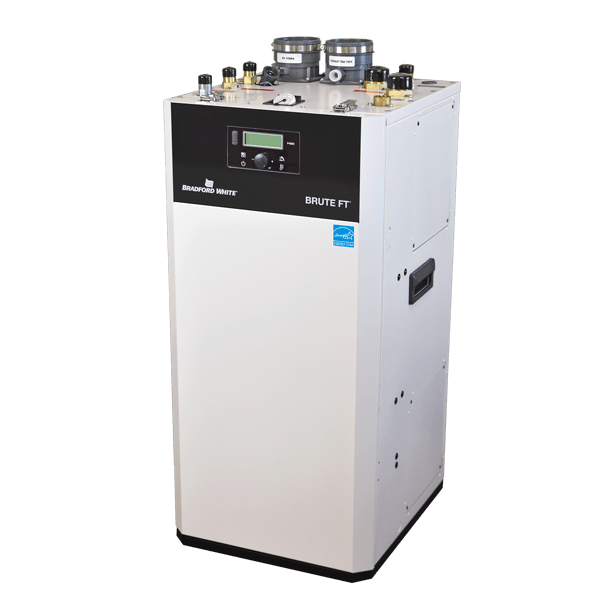
Gas hot-water boiler

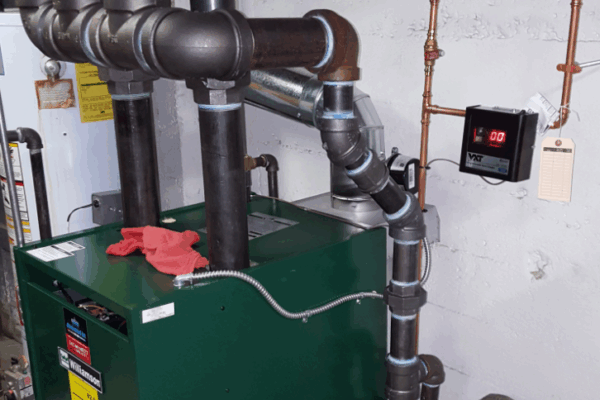
Keep your existing hydronic distribution. A cast-iron boiler can be a practical replacement where conventional water temperatures or chimney conditions favor it. A condensing gas boiler may be attractive where the system can run at lower return-water temperatures.

Check first: room-by-room heat loss, radiation, water temperatures, chimney or direct venting, and circulator layout.

Classic steam heat

Gas steam boiler

Love the radiators in your older home? A properly selected gas steam boiler can keep the steam distribution you already have while retiring the oil burner. Steam piping and radiator capacity determine the design.

Check first: connected radiator load, near-boiler piping, system balance, venting, and water quality. A hydronic combi is not a direct steam-boiler replacement.

Domestic hot water

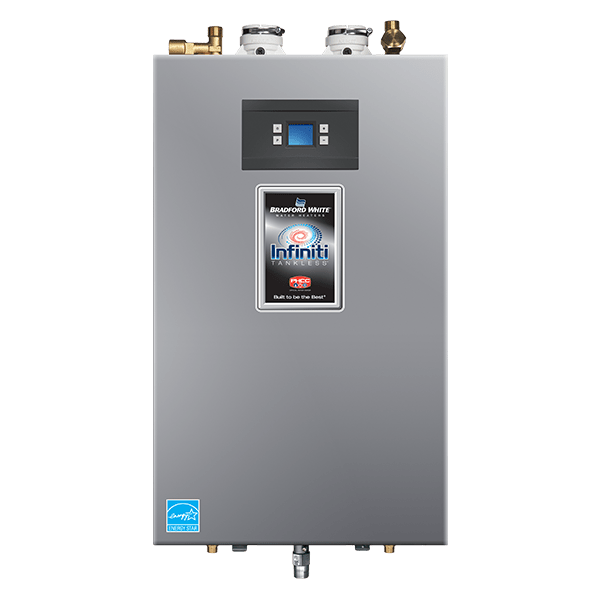
Gas tankless water heater

Heat water as you use it instead of storing a full tank hot around the clock. A wall-mounted unit can save floor space and support long draws, within its rated flow and temperature rise.

Check first: simultaneous fixtures, New Jersey’s incoming water temperature, gas-pipe size, venting, water quality, and maintenance access. Tankless serves hot water; it does not by itself replace the space-heating boiler.

Two jobs, one appliance

Gas combination boiler

A combi unit provides hot-water space heating and domestic hot water in a compact footprint. It can suit a hydronic home when its heating capacity and peak hot-water output both meet the household’s needs.

Check first: design heat loss, radiation temperatures, shower and tub demand, gas and vent capacity, and water quality. A combi is generally for hydronic heating, not existing steam piping.

Higher efficiency on a label is not the whole answer.

A condensing boiler needs suitable operating temperatures to deliver its best performance. A gas furnace still needs electricity for its blower and controls. We compare equipment and installation requirements together before recommending a system.

The real comparison

Will gas save you money?

It can, but no honest contractor should promise a dollar amount from fuel type alone.

We compare your oil usage and current appliance efficiency with a proposed gas system, then include the utility’s gas rate and fixed charges, new equipment, gas service, venting, permits, oil-tank work, and expected maintenance. The strongest case for converting may combine lower operating costs with more convenient fuel supply and an aging boiler that already needs replacement.

  • Compare oil and gas on the cost of useful heat delivered, not price per gallon versus price per therm.
  • Use the actual appliance’s AFUE for space heating; use UEF for a dedicated water heater.
  • Review utility incentives only after confirming current eligibility and program terms.
A fair operating-cost comparison

Oil heat

Oil price and gallons used, adjusted for the old system's actual efficiency

Gas heat

Gas rate and expected therms, adjusted for the proposed system's efficiency

Project

Equipment, utility service, gas piping, venting, permits, and oil tank disposition

Then compare annual cost and the total investment over the years you expect to own the system.

How the project comes together

A conversion should have a clear plan.

Oil-to-gas work can touch several parts of the home. The scope is established after a site assessment and coordination with the utility and local authorities.

01

Survey the home

Review oil use, heating distribution, hot-water demand, existing vent, service location, and gas availability.

02

Design + price options

Size the equipment, compare sensible alternatives, and identify gas-piping, venting, electrical, and tank work.

03

Coordinate the work

Arrange permits and utility steps; address oil-tank closure or removal with appropriately qualified professionals as required.

04

Install + verify

Commission the new equipment, check venting and operation, perform combustion testing where applicable, and explain the controls and care.

About the old oil tank: Aboveground and underground tanks have different closure requirements. If an underground tank has leaked, investigation and remediation may be needed. The scope and cost depend on the site; NJDEP guidance and municipal requirements govern the work.

Questions worth asking

What homeowners want to know.

Often, yes. A gas hot-water boiler can serve a suitable hydronic system, and a gas steam boiler can serve an existing steam system. The radiators, piping, heat loss, and required water or steam output determine the equipment choice.

In some hot-water heating homes, yes. It must meet both the design heating load and the household’s peak domestic hot-water demand. It is not a direct replacement for a steam system, and high simultaneous hot-water demand may favor a separate water heater or storage arrangement.

Most modern gas furnaces, boilers, and tankless water heaters need electricity for controls, pumps, fans, or ignition. We can explain the electrical requirements and any appropriate backup-power options.

No. Fuel rates, utility charges, equipment efficiency, project cost, maintenance, and future prices all affect the result. We review your actual usage and proposed equipment instead of promising a fixed percentage of savings.

That depends on whether the tank is aboveground or underground, its condition, the property’s circumstances, and applicable requirements. Proper closure, removal, and any necessary environmental work should be planned as part of the conversion.

Your next step

Let's see what your home needs.

Tell us what heats your home today and what you would like to improve. Mr. Tankless serves homeowners across Northern and Central New Jersey.